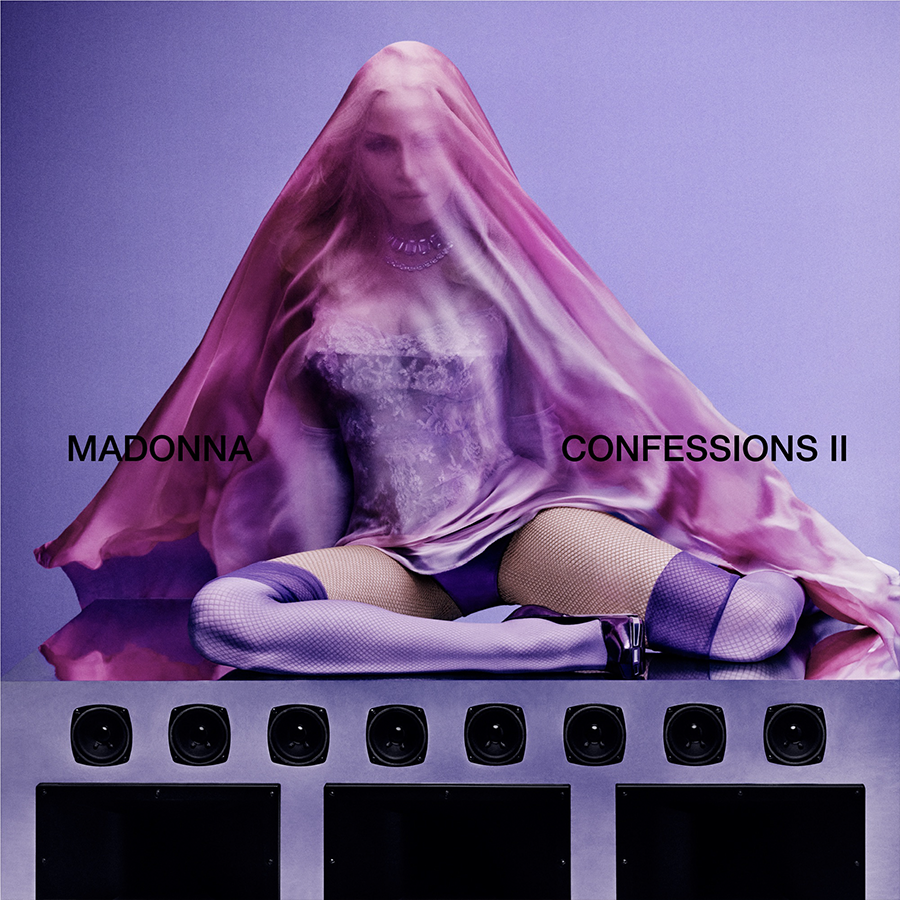
When Madonna released Madame X in 2019, the reaction was warmer than some had expected. Critics embraced its ambition, fans largely appreciated its willingness to venture somewhere unexpected and, while it never reached the heights of her defining records, it remains an album I admire for taking risks rather than chasing familiarity.
The years that followed, however, felt less certain. A string of standalone collaborations arrived with varying degrees of success, from S&M with Sam Smith to Material Gworl alongside Saucy Santana, before a viral TikTok revival transformed Frozen into an official remix. They were curious detours that made it difficult to know exactly where Madonna was heading next.
Everything changed the moment she announced a sequel to Confessions on a Dancefloor. The anticipation was immediate. Few albums in her catalogue are held in such universal affection, and confirmation that Stuart Price had returned as producer only heightened expectations. Revisiting one of the most celebrated dance records of the 21st century is a daunting prospect. Was Confessions II destined to tarnish its predecessor, or could lightning strike twice?
Perhaps that’s the wrong question altogether.
Despite the title, Confessions II was never going to recreate the sound of 2005. More than twenty years separate the two records, and both Madonna and dance music have evolved immeasurably in that time. Rather than attempting to relive the past, this album asks a more intriguing question: what does Confessions sound like in 2026?
From the opening moments, Madonna and Stuart Price remind us why their creative partnership remains one of pop’s most inspired. The production is exceptional, with seamless transitions allowing each song to melt into the next. Like its predecessor, the album unfolds as a continuous experience rather than a collection of individual tracks. Yet despite its dancefloor foundations, Confessions II never falls into the trap of sounding like disposable EDM or trend chasing. Instead, it feels like it could become timeless. There’s a confidence to these songs that suggests they’ll sound just as vital years from now as they do today.
Joy runs through every corner of the first half of the record. Whether celebrating love, liberation or the unifying power of dance music itself, Confessions II radiates positivity here. Love Without Words perfectly captures that spirit, pairing euphoric production with lyrics that embrace connection and celebration without ever feeling contrived.
One of the album’s standout moments arrives with Danceteria. Following the excitement generated by the accompanying short film for the album, expectations were understandably high, and Madonna delivers. More than simply another dance anthem, it serves as a love letter to the club where her story began. Name checking the characters who shaped the earliest days of her career. It’s camp, infectious and bursting with personality, celebrating not only where Madonna came from but everything she would eventually become.
Early previews of Read My Lips as part of the FIFA World Cup soundtrack suggested it might sit awkwardly within the album, but in context those concerns disappear entirely. Here it sustains the momentum established by its predecessors, slipping naturally into the record’s immaculate flow.
Despite its celebratory atmosphere, Confessions II earns its title. Throughout the album, Madonna reflects on the relationships that have shaped her life. Bizarre appears to revisit her turbulent marriage to Sean Penn.
The emotional heart of the album belongs to Fragile. Written after speaking with her brother Christopher knowing his life was nearing its end, the song carries enormous emotional weight. Madonna has described it as both catharsis and exorcism, and those intentions are palpable. Amid an album built around movement and celebration, Fragile asks us to metaphorically stand still and take in what she’s saying. Her vocal is among the strongest she’s delivered across the album, grounding the club driven production with genuine vulnerability.
Family continues to shape more of the album’s most affecting moments. Betrayal turns its attention towards her strained relationship with her stepmother, delivering some of the record’s sharpest lyrics, including the declaration, “You’ll never take my mother’s place.” In contrast, The Test, co-written with her daughter Lourdes, offers reconciliation. Opening by referring to her daughter as “Little Star”, a beautiful callback to the Ray of Light track written for Lourdes, it feels like a companion piece decades in the making, reflecting on their relationship from an entirely new perspective.
Elsewhere, My Sins Are My Saviour featuring Stromae channels echoes of Justify My Love through its hypnotic, drum heavy production and spoken word delivery. Empowerment has long been one of Madonna’s defining subjects, but remarkably she continues to find fresh ways of exploring it over forty years into her career.
Then comes closer L.E.S Girl. Rather than ending with one final euphoric explosion, Madonna allows the album to breathe as it nears its conclusion. It’s an understated, reflective finale that slows the pace beautifully, offering a poignant farewell that continues the album’s sense of reminiscence and reflection. It isn’t the ending many listeners will expect, but it’s exactly the ending this album deserves.
The greatest achievement of Confessions II is that it never feels burdened by the legacy of its predecessor. It doesn’t attempt to recreate one of pop’s greatest dance records because it understands that was never the objective. Instead, Madonna and Stuart Price reinterpret its spirit following two more decades of experience, grief, joy and self reflection.
In doing so, they have created Madonna’s most realised, cohesive and refreshing album in over twenty years. That’s not to diminish the ambition of the records that came before it, but Confessions II feels like a genuine artistic triumph. Few artists could revisit one of the defining albums of their career and emerge with something that feels this vital.