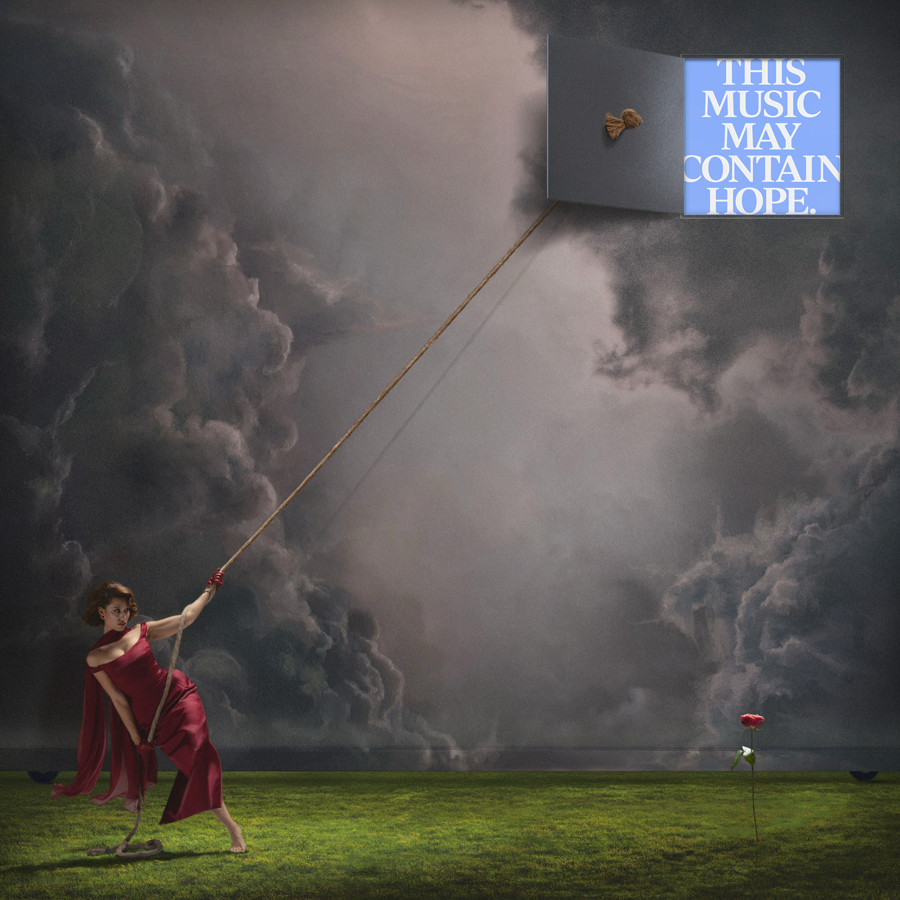
There is something immediately theatrical about This Music May Contain Hope. From the opening moments it feels less like a collection of songs and more like the raising of a curtain. The first track I Will Overcome. sets the tone with conviction, positioning itself as both a statement of intent and a mantra. It is hopeful without feeling naive, a declaration that even in the face of chaos there is still light somewhere ahead. You sense right away that this is going to be a journey rather than a casual listen.
RAYE leans fully into her wit and personality across the record, particularly on the delightfully tongue in cheek The WhatsApp Shakespeare. and Beware.. The South London Lover Boy. Both tracks are drenched in high camp and playful cynicism, skewering the absurdities of modern romance with a knowing smile. Lines like “Wherefore art thou, true love?” and “You said forever but you meant tonight” capture the fleeting nature of relationships without sounding bitter. Instead there is a shrug of acceptance, a sense that heartbreak has become another chapter in a long and complicated story.
The album shifts gears dramatically with Click Clack Symphony., a cinematic centrepiece that benefits from the unmistakable touch of Hans Zimmer. It plays out like a survival epic, swelling from vulnerability into something grand and triumphant. The orchestral finale feels huge in scope and emotion, a reminder of the strength found in community and the quiet resilience that carries you through darker moments. It is the kind of track that feels destined for a stage, reinforcing the sense that this project could easily translate into a full theatre production. There are shades of diary like storytelling here, moments that feel confessional and intimate but also deliberately performative.
One of the record’s greatest strengths is how effortlessly RAYE moves between styles. She slips from orchestral drama to stripped back vulnerability and then into playful pop without anything feeling forced. There is a clear understanding of musical craft at work here, the mark of an artist who knows exactly how to shape a song and hold an audience’s attention. At times the ambition is thrilling. At other times it becomes slightly overwhelming.
The longer running times contribute to that feeling. Tracks are given room to breathe, to unfold slowly and settle into your mind, which can be refreshing in an era of quick and disposable releases. Yet there are moments where restraint might have served the material better. I Know You’re Hurting. stretches to six minutes and while its emotional core is undeniable, it feels like a song that could have delivered the same impact with a tighter edit. Still, the expansiveness also reinforces the album’s diary like nature. It reads as a stream of thoughts and emotions, unfiltered and unapologetic, which some listeners will find immersive and others may find indulgent.
At its heart, this is an album about survival and perseverance. The struggles RAYE has faced in her career have been widely documented and that history adds weight to every lyric. When she repeats “I’m not giving up yet” on Lifeboat. it lands with genuine conviction, echoing the resilience that defined her previous era while pushing the narrative forward. These recurring mantras run throughout the record, acting as emotional anchors that tie the story together.
Quieter moments provide essential balance. Nightingale Lane. strips everything back to its emotional core, offering a tender reflection on heartbreak that feels raw and deeply personal. It grounds the album after some of its more theatrical flourishes, reminding you that beneath the spectacle there is still a human story unfolding.
As the record moves toward its conclusion, the energy lifts again with uptempo highlights like Skin & Bone. and the lead single WHERE IS MY HUSBAND!, both of which showcase RAYE’s flair for humour and character driven songwriting. Joy., featuring her sisters Absolutely and Amma, carries the warmth and exuberance of a musical theatre finale, closing the emotional arc on a note of celebration and connection.
This Music May Contain Hope. certainly lives up to its title. Hope runs through every corner of the record, sometimes subtly and sometimes with full theatrical force. It is ambitious in scale and fearless in its emotional honesty, a project that refuses to play small. Yet that same ambition occasionally works against it. By the time she sings “She had hoped you’d made it to the 17th song” on Fin., there is a sense that even RAYE is aware of the album’s length and repetition.
Still, it is difficult not to admire the scope of what she has created. This is a bold, deeply personal statement from an artist who has fought hard for her voice. It may be sprawling, occasionally excessive, and in need of a firmer edit, but it is also rich with emotion, creativity and determination. Above all else, it feels like survival turned into spectacle, and that in itself is something worth celebrating.
4/5